
Glass Arris And Edge Polishing
What This Process Needs To Solve
Glass polishing is the one stage where diamond is often the wrong answer for the flat face — cerium oxide still owns that job on float glass. Diamond earns its place at the arris, on the seam, and on edges that must come back to optical clarity after grinding, because those are stock removal steps wearing a polishing name.
We supply micron powder from W3 to W20 for edge and arris work, monocrystalline or polycrystalline, loose or formulated as a paste.
Where diamond beats cerium oxide
Cerium oxide works by chemical mechanical action and needs a soft pad held flat against the surface. An arris is neither flat nor soft: it is a narrow, curved, high-pressure line where a chemical slurry cannot stay in contact long enough to work. Diamond cuts it mechanically regardless of geometry, which is why the arris and the drilled hole edge are finished with diamond while the flat face is not.
Polycrystalline for clarity, monocrystalline for removal
Polycrystalline powder breaks down in use and produces a finer surface at the same nominal size, so it suits the last step on an arris where the target is clarity without a visible scratch. Monocrystalline blocky powder removes faster and holds its size, and is used earlier in the sequence. Running one type across both steps is the usual reason a line either cuts too slowly or never clears the scratch.
What we hold on the batch
On a narrow edge the controlling property is the absence of oversize particles, because a single coarse grain shows as a visible line. We report D90 and the maximum particle on the batch certificate, and can supply a tighter window than the standard grade on request.
Where It Goes Wrong
- A visible line along the arris. One oversize particle, in a contact zone too narrow to hide it.
- Edge goes milky instead of clear. Coarse starting grade, or no intermediate step between grinding and finish.
- Paste dries before the pass completes. Carrier viscosity, not the powder.
- Pad glazes at the edge. Powder loading too low for the pressure on an arris.
Recommended Grade By Polishing Step
Arris work is specified by step in the sequence and by the finish target, not by the glass type.
| Step | Recommended grade | Micron size | Why this grade |
|---|---|---|---|
| Removal after grindingClearing the wheel scratch | |||
| First step after metal bond grinding | HDY monocrystalline | W10 – W20 | Blocky crystal removes stock and holds its size |
| Intermediate step | HDRP polycrystalline | W5 – W10 | Breaks down in use, starts the transition to clarity |
| Final clarityArris and drilled edge | |||
| Final arris polish | HDRP polycrystalline | W3 – W5 | Finer surface at the same nominal size, no visible line |
| Drilled edge finish | HDYM fine micron | W1 – W3 | Reaches into a bore where pressure is limited |
| Supply formLoose or formulated | |||
| Paste and slurry | HDY or HDRP, carrier matched | W3 – W20 | Carrier viscosity has to hold the powder in suspension on a vertical edge |
Factory Direct Since 1990
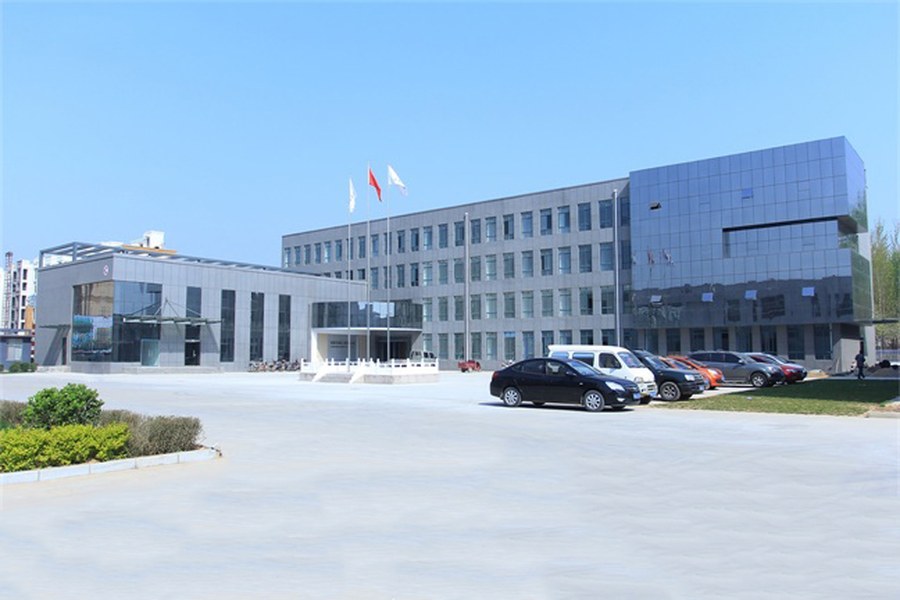
Zhecheng Hongxiang Superhard Material Co., Ltd. is an integrated manufacturer and exporter of synthetic diamond powders since 1990, located in the Diamond Capital of China.
- Own manufacturing base in Zhengzhou, Henan — powder, coating and grading on one site.
- In-house particle size and SEM inspection on every batch before packing.
- Export packing with neutral or custom label, plus sample quantities for process trials.

What To Include
Describe your workpiece, process and target result. We will match the diamond grade from the existing product range.