Application Hub · Grade Selection
Precision Components & Machinery
Mirror finishing for balls, dies, seals, inserts and precision bores.
Sub Applications
Solutions In This Category
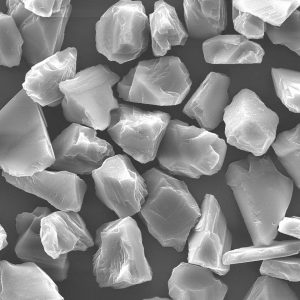
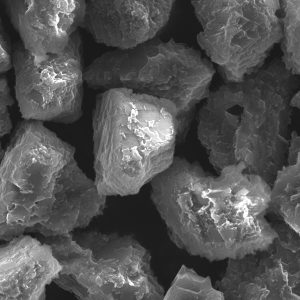
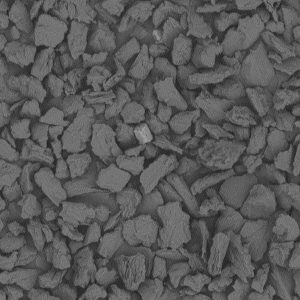
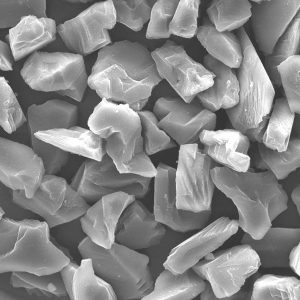
Precision components combine hard materials with tight geometry, so the abrasive has to remove material predictably without generating sub-surface damage. Consistent PSD, regular crystal shape and low oversize content are the three properties that decide the result.
Diamond Powder For Carbide And Ceramic PolishingMonocrystalline and polycrystalline micron powder for tungsten carbide seals, drawing dies, indexable inserts and silicon carbide ceramic parts.
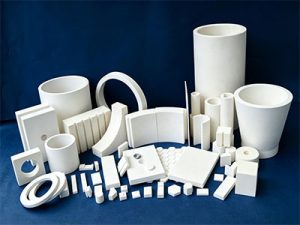
Ceramic And Steel Ball Precision PolishingMonocrystalline micron powder for bearing balls, ceramic balls and high-precision rollers, 20-40 mesh to 20-40 um.
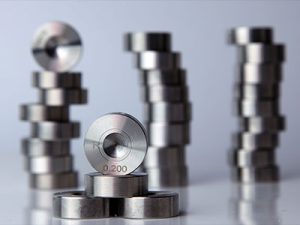
Mold & Die PolishingCemented carbide, steel and ceramic molds and dies require mirror-like cavity finishes for injection molding, wire drawing and...
Diamond Grades For This Category
| Process step | Grade direction | Size range |
|---|---|---|
| Ceramic & steel ball polishing | Monocrystalline micron powder | 20–40 mesh / 20–40 µm |
| Mold & die cavity polishing | Monocrystalline, uniform crystal | 0–1, 1–2, 2–4 µm |
| Cemented carbide & ceramic parts | Monocrystalline / polycrystalline blend | 1–2, 2–4, 4–8 µm |
| Honing stones and honing sticks | Metal and resin bond grit | 120#, 170#, 220#, 500#, W40 |
Selection Notes
How To Choose The Right Grade
- For ball polishing, particle shape regularity controls roundness far more than the nominal size does.
- Carbide parts are prone to cobalt leaching — ask for the surface-treatment option when the binder is cobalt based.
- For honing, the bond system and the grit size have to be chosen together; we quote them as a pair.
Inquiry
What To Include
Start from the application requirement. We will help narrow the grade, particle size and packing route.
1Component material and hardness
2Geometry (ball / bore / cavity / flat)
3Tolerance and Ra target
4Machine type and bond system