
Application Hub · Grade Selection
Optics & Photonics
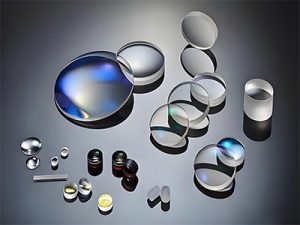
Scratch-free finishing for lenses, prisms, fibre connectors and sapphire windows.
Sub Applications
Solutions In This Category
Optical finishing is judged on surface quality, not on removal rate. The requirement is a narrow PSD with no oversized tail, good dispersion in the slurry and no metal contamination that would leave sleeks or haze on the surface.
Diamond Grades For This Category
| Process step | Grade direction | Size range |
|---|---|---|
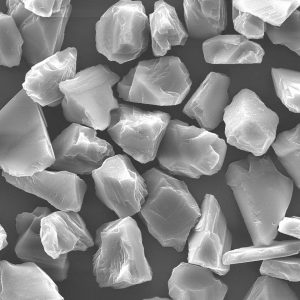
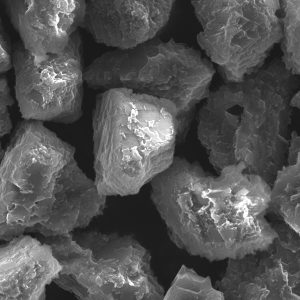
| Optical glass lapping & polishing | Monocrystalline micron, polycrystalline for hard glass | 0–1, 1–2, 2–4 µm |
| Sapphire window & cover glass | Polycrystalline micron, low scratch | 0–2, 1–3, 2–4 µm |
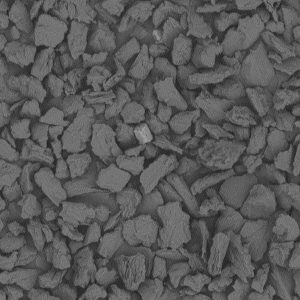
| Diamond pellets for lens grinding | Metal and resin bond pellets | 180#–2000# (metal), 800#–3000# (resin) |
| Fibre connector ferrule polishing | Monocrystalline fine micron | 0.5–3 µm |
Selection Notes
How To Choose The Right Grade
- Specify the acceptable scratch grade and the target Ra — these two numbers drive the PSD choice more than material hardness does.
- Polycrystalline grades cut faster but can leave a slightly higher haze; monocrystalline gives the cleanest finish.
- Wet dispersion stability matters as much as the powder itself: request the settling behaviour for your slurry system.
Inquiry
What To Include
Start from the application requirement. We will help narrow the grade, particle size and packing route.
1Substrate material and hardness
2Process step (rough lap / fine lap / polish)
3Target Ra and scratch specification
4Slurry carrier (water / oil) and solids loading