
Dental Burs And Rotary Instruments
What This Process Needs To Solve
A dental bur is a small tool with an unusually tight job description: it has to cut enamel and zirconia, hold its shape through dozens of cycles, and never generate enough heat to damage the pulp underneath. Those three requirements pull against each other, and the diamond grade is where the balance is set.
We supply grit from 50/60 to 325# for sintered and electroplated burs, in uncoated and nickel-coated form, with tighter top cut available on request.
Why coarse grit is not the fast answer
It is tempting to specify a coarser grit for faster cutting, and on a bench test it works. In the mouth it does not, because cutting speed is limited by how much heat the tooth can absorb, not by how fast the bur can remove material. A coarse bur cuts deeper per revolution, generates more heat per unit of contact, and forces the clinician to reduce pressure — which slows the procedure back down and leaves a rougher surface that the next instrument has to correct. The useful range for most enamel preparation sits in the middle of the grit ladder, not at the coarse end.
Sintered heads and electroplated heads take different diamond
A sintered bur is pressed and fired with the diamond already in the matrix, so the grit has to survive temperature without graphitising — that is a job for blocky, high-strength MBD grade. An electroplated bur has a single layer of diamond held by nickel, so tool life is set by how evenly that layer sits; a single oversize particle lifts the plating around it and the bur sheds a patch. On electroplated work we grade strictly on the oversize end and report the maximum particle.
What we hold on the batch
Magnetic content and non-diamond residue are reported per lot. Both matter more here than in most applications, because a bur that leaves iron behind discolours the restoration it is shaping, and the discolouration is not noticed until the crown is already seated.
Where It Goes Wrong
- Bur cuts hot and the clinician backs off. Grit too coarse for the head pressure, not a bond fault.
- Bur sheds grit in the first few cycles. One oversize particle lifting the plating on an electroplated head.
- Grey shadow on a zirconia crown. Iron or non-diamond residue in the powder.
- Bur loses shape before it wears out. Grit too fine for the matrix, so the bond wears first.
Recommended Grit By Bur Type
Dental burs are specified by head construction and by the material being cut, not by bur diameter.
| Bur type | Recommended grade | Grit / size | Why this grade |
|---|---|---|---|
| Sintered headsDiamond fired into the matrix | |||
| Sintered bur, enamel and dentine | MBD series | 50/60 – 140/170 | Blocky grit survives the sintering cycle and holds cutting edges |
| Sintered bur, zirconia adjustment | MBD series, finer cut | 170/200 – 230/270 | Finer grit limits subsurface damage on zirconia |
| Electroplated headsSingle layer held by nickel | |||
| Electroplated bur, general | RVD / RVG, Ni coated | 80/100 – 200/230 | Strict grading keeps the plating intact; nickel keys the layer |
| Electroplated bur, fine finish | RVD / RVG, Ni coated | 230/270 – 325/400 | Finer grit for the finishing sequence on composite and ceramic |
| Shank and blank preparationBefore plating | |||
| Shank grinding and deburring | HDY micron or HDHR grit | W10 – W40 | Removes tool marks before the diamond layer goes on |
Factory Direct Since 1990
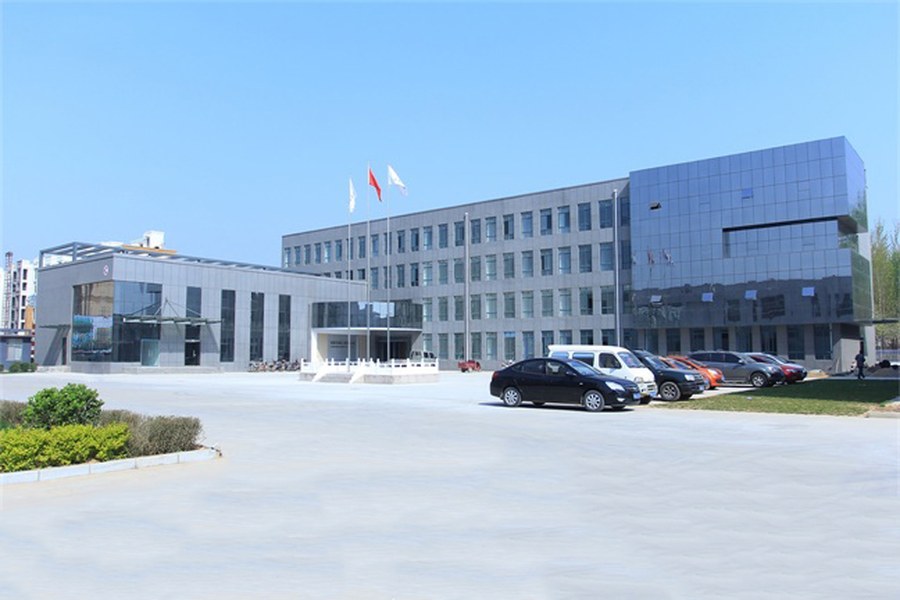
Zhecheng Hongxiang Superhard Material Co., Ltd. is an integrated manufacturer and exporter of synthetic diamond powders since 1990, located in the Diamond Capital of China.
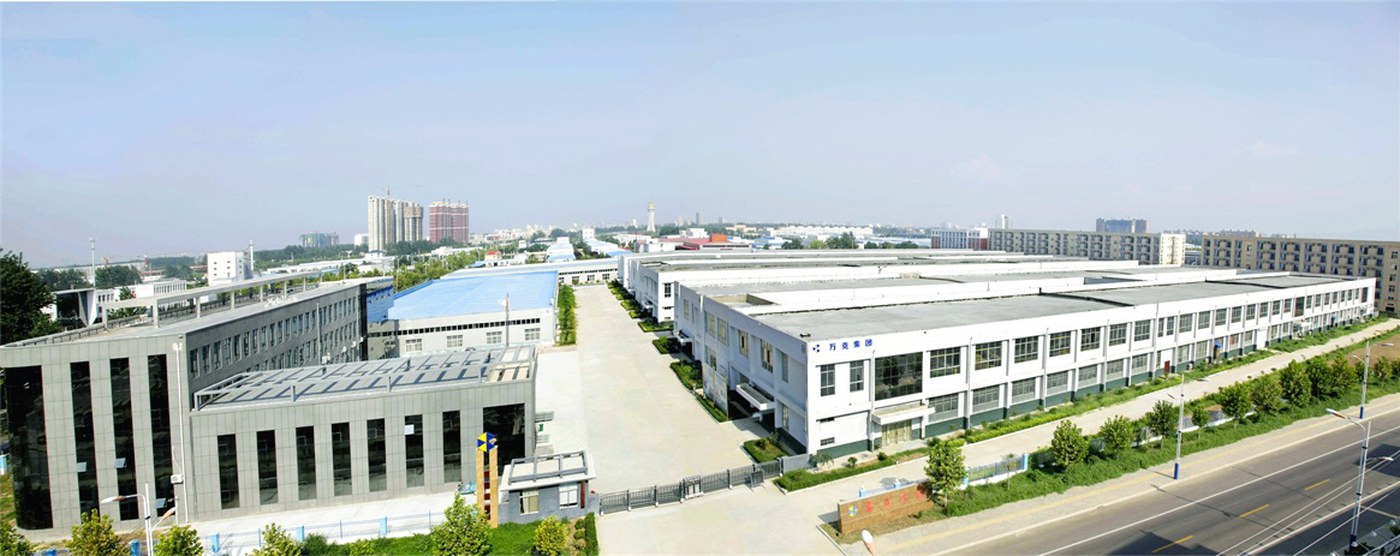
- Own manufacturing base in Zhengzhou, Henan — powder, coating and grading on one site.
- In-house particle size and SEM inspection on every batch before packing.
- Export packing with neutral or custom label, plus sample quantities for process trials.
What To Include
Describe your workpiece, process and target result. We will match the diamond grade from the existing product range.