
Application Hub · Grade Selection
Mold & Die
Mirror finishing for drawing dies, mould cavities and press tooling.
Sub Applications
Solutions In This Category
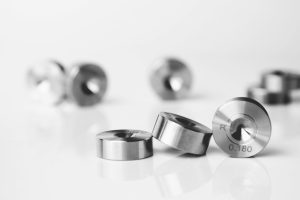
A drawing die or a mould cavity fails at the surface first. The bore sets roundness, the cavity sets release. Diamond micron powder is the finishing step that decides both, and the grade has to match the die material rather than the workpiece.

Diamond Grades For This Category
| Process step | Grade direction | Size range |
|---|---|---|
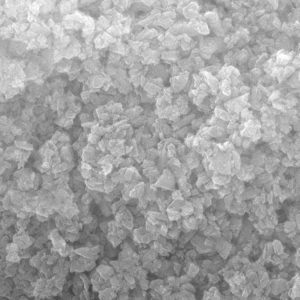
| Drawing dies — PCD, TC and ND | HDY monocrystalline, tight PSD | 0-0.25 to 20-40 µm |
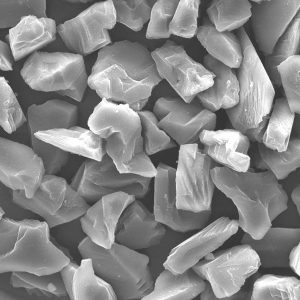
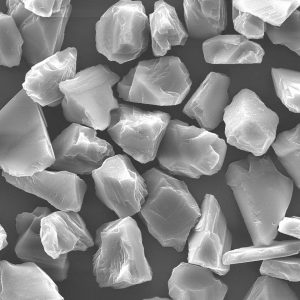
| Injection and extrusion moulds | HDY monocrystalline, blocky crystal | W1 to W20 |
| Press tools and forming dies | HDY or HDG, cost driven | W3 to W28 |
| Carbide die inserts and nozzles | HDY, low magnetic content | W1 to W10 |
Selection Notes
How To Choose The Right Grade
- Bore roundness is set by the finest grade in the sequence, not the coarsest — finish with the smallest powder that still cuts.
- Use monocrystalline HDY on PCD dies; polycrystalline powder leaves a duller bore and shows the grain boundary as pitting.
- Ask for magnetic content and ash on the batch certificate — both appear as scratches inside a bore.
- Lapping paste carrier has to match the bore size; too thin and the powder settles out before it cuts.
Inquiry
What To Include
Start from the application requirement. We will help narrow the grade, particle size and packing route.
1Die or mould material (PCD / TC / ND / SSCD / steel)
2Bore or cavity size and target finish
3Current grade and the finish problem
4Quantity, packing and sample requirement