Application Hub · Grade Selection
Wire, Tube & Die
Die bore lapping and polishing for PCD, TC and natural diamond dies.
Sub Applications
Solutions In This Category
Drawing die finishing is a polishing problem, not a grinding one: the abrasive works inside a small bore where slurry transport and particle agglomeration decide whether the die comes out round or scratched. Fine, uniform and well-dispersed grades are essential.
Diamond Lapping Paste And Slurry SupplyMicron diamond in paste and liquid form for metallographic grinding, mould polishing and dental zirconia finishing — pre-dispersed,...
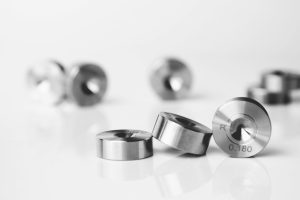
Wire Drawing Die Lapping And PolishingSub-micron to coarse micron powder for PCD, tungsten carbide and natural diamond die bores and mould cavities.
Diamond Grades For This Category
| Process step | Grade direction | Size range |
|---|---|---|
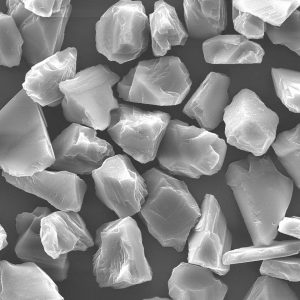
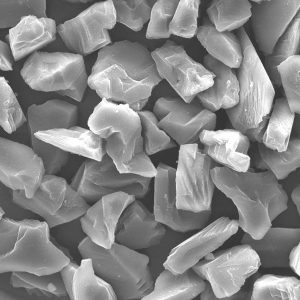
| PCD / TC / ND die bore polishing | Monocrystalline HDY fine micron | 0–0.25, 0–0.5, 0–1, 0–2 µm |
| Die re-polishing and repair | Monocrystalline fine micron | 1–2, 2–4 µm |
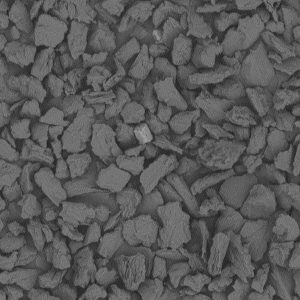
| Lapping paste and slurry supply | Micron powder in paste or liquid form | W0.25–W40 |
| Tube and rod drawing dies | Monocrystalline, narrow PSD | 0–1, 1–2 µm |
Selection Notes
How To Choose The Right Grade
- Agglomeration is the main cause of bore scratching — request a treated surface or a pre-dispersed paste.
- For PCD dies the polycrystalline phase is harder to finish; step down through two or three sizes rather than one.
- Paste form removes mixing variability on site, which matters when several operators share one polishing bench.
Inquiry
What To Include
Start from the application requirement. We will help narrow the grade, particle size and packing route.
1Die material (PCD / TC / ND / steel)
2Bore diameter and profile
3Finish stage (rough / semi / final)
4Preferred form (powder / paste / liquid)