Diamond Powder For Ceramic Chamfering Wheels
What This Process Needs To Solve
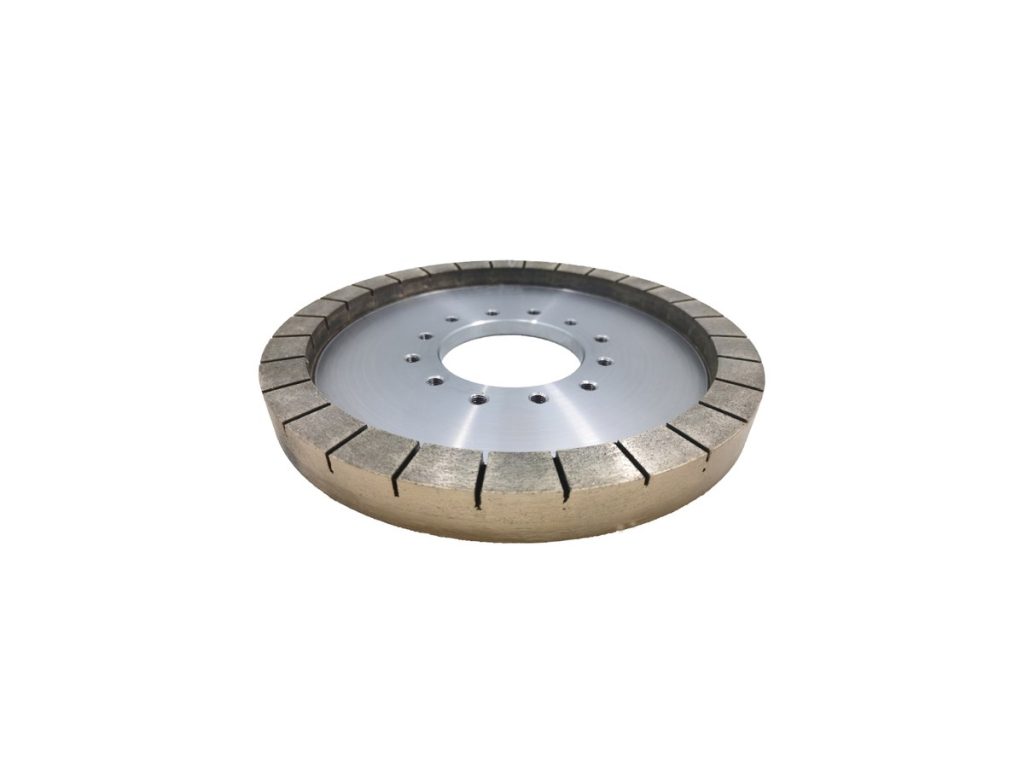
The chamfer is the most exposed surface on a tile. The bevel is ground at an angle, so the same crystal that would stay buried on a flat face sits at the edge of the profile, where one pull-out leaves a visible track. That is why chamfer wheels are specified differently from squaring wheels even on the same line and the same body: the job is less about removing millimetres and more about keeping the profile closed at the point where the tile is thinnest.
The Bevel Shows Every Pull-Out
On a flat face a pulled crystal leaves a pit that the next head blends out. On a 45° arris there is no next head, and the drag line survives glazing and firing. Two things prevent it. The first is a narrow band with no coarse tail: an oversized crystal bites deeper than the chamfer depth and the profile never recovers. The second is enough grip at the profile to hold the crystal for the whole pass — which on a resin bond means friable grit that keeps renewing, not hard grit that glazes.
Wheel geometry changes the requirement again. A cup or bowl wheel presenting its rim at an angle loads a smaller contact area, so the same grit sees higher unit pressure than on a squaring wheel and heat builds faster. That is the usual reason a chamfer wheel needs one grade tougher than the squaring wheel on the same tile.
Grade And Grit Band
Resin bond chamfer wheels run HDYR through the working range, and HDGR where the bond is soft and wheel cost matters more than profile life. Where the bevel is cut in the green body or on a metal bond tool, MBD grit at 30/35 to 140/170 For the flat edge, tile size and calibration, see squaring and edge grinding wheels.
Where It Goes Wrong
- Drag lines along the arris, wheel looks fine. Coarse tail in the band; one crystal above spec is enough. Ask for the top cut.
- Profile rounds over after a few thousand metres. Bond too hard for the contact pressure, so grit glazes instead of fracturing.
- Burning or gloss on the bevel. Heat from a loaded wheel; check coolant reach at the profile before changing the grit.
- Chips only at the tile corner. Wheel not dressed square to the spindle. Not a powder problem.
What To Put In The Enquiry
- Chamfer geometry: angle, depth, and whether it is a full arris.
- Wheel form — cup, bowl or flat ring — and the contact width.
- Grit band in mesh, plus the top cut you will accept.
- Wet or dry, coolant type and flow at the profile.
- Tile body, thickness, and whether it is green or fired.
Next Step
Send the profile drawing or the angle and depth, with the defect you are trying to eliminate, and we will quote a graded band against it. A COA with the PSD curve ships with each batch, and trial quantities run before a production order.
Diamond Grades For Chamfer And Arris Wheels
The bevel is where a single pull-out becomes visible, so chamfer wheels are specified one step tighter than squaring wheels running on the same tile.
| Line stage | Recommended grade | Grit band | Why this grade |
|---|---|---|---|
| Resin bond chamfer wheelsFired tile, wet or dry bevel | |||
| Chamfer wheel, standard | HDYR Crushed Diamond Grit | 140/170 – 325/400 mesh | Narrow band and friable crystal hold the profile through the pass |
| Chamfer wheel, soft bond | HDGR Crushed Diamond Grit | 140/170 – 325/400 mesh | Faster renewal where the bond is soft and heat builds at the profile |
| Arris and fine bevel | HDG / HDY Micron Powder | W28 – W7 | Finer top cut for a bevel that is glazed after grinding |
| Metal bond and green bodyCut before firing, or metal bond tooling | |||
| Metal bond chamfer tool | MBD High-Strength Diamond Grit | 30/35 – 140/170 mesh | Blocky crystal held through the sinter cycle; the profile stays square |
| Green body chamfer | MBD High-Strength Diamond Grit | 60/70 – 120/140 mesh | Impact strength for an unfired body that crumbles instead of cutting |
A chamfer defect is almost always a top-cut problem, not an average-size problem. Quote the band with its coarse limit, and state the bevel depth so the two can be compared.
What has to hold
- Chamfer angle, depth and whether it is a full arris
- Wheel form (cup, bowl, flat ring) and contact width
- Grit band in mesh plus the top cut you will accept
- Wet or dry, and coolant flow at the profile
- Tile body, thickness and firing state
Where it ships
Diamond Grades For This Process
Factory Direct Since 1990
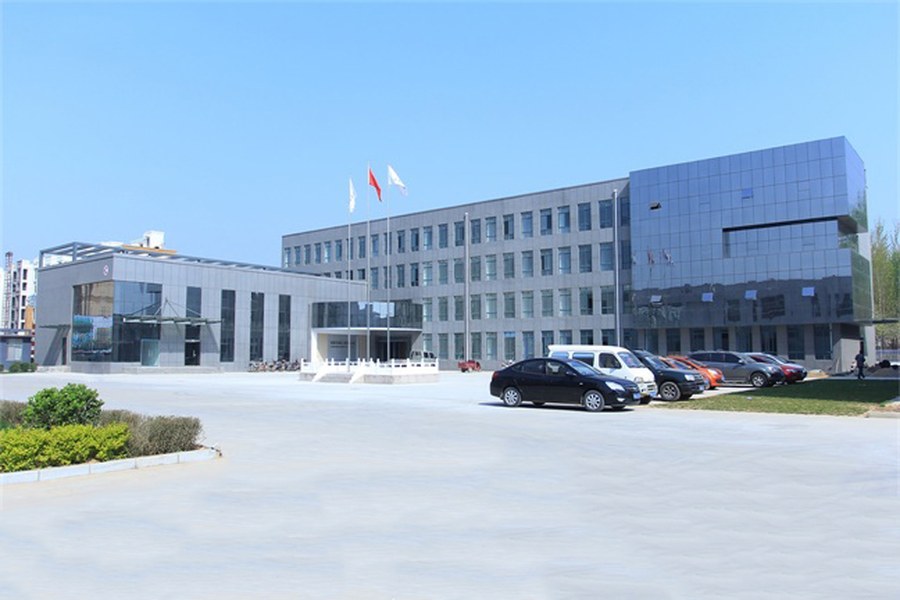
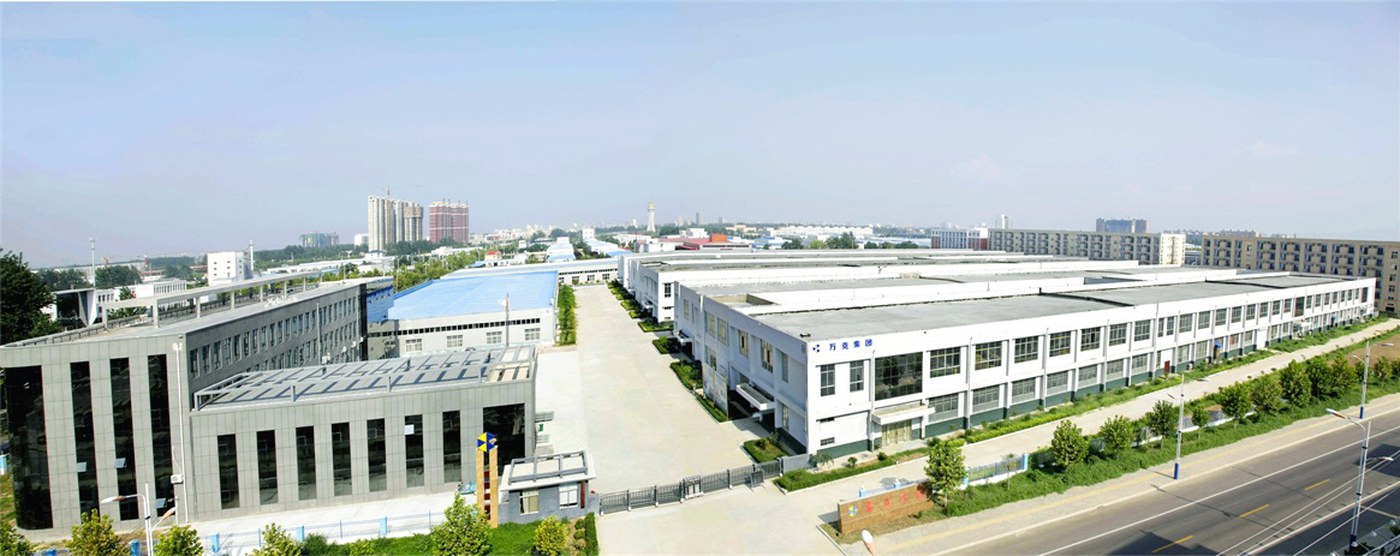
Zhecheng Hongxiang Superhard Material Co., Ltd. is an integrated manufacturer and exporter of synthetic diamond powders since 1990, located in the Diamond Capital of China.
- Own manufacturing base in Zhengzhou, Henan — powder, coating and grading on one site.
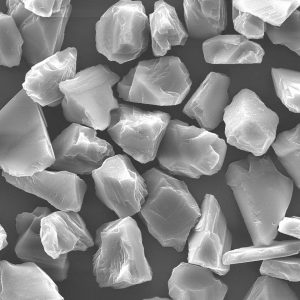
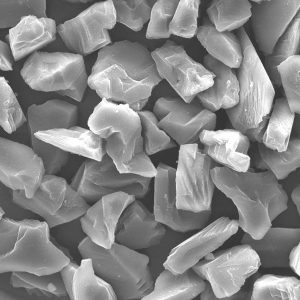
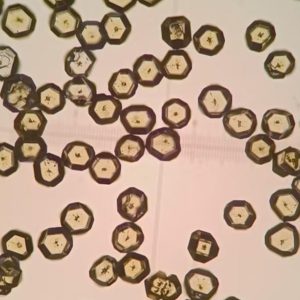
- In-house particle size and SEM inspection on every batch before packing.
- Export packing with neutral or custom label, plus sample quantities for process trials.
What To Include
Describe your workpiece, process and target result. We will match the diamond grade from the existing product range.