Diamond Powder For Stone Electroplated Tools
What This Process Needs To Solve
An electroplated stone tool is bought as a shape and a grit, and the two fail separately. The shape decides whether the edge matches the template. The grit decides whether the nickel survives the cut at all. Most of these tools run dry, or with water applied by hand, which removes the cooling every other bond depends on — and that is the reason the layer is nickel rather than resin.
Why Stone Edge Work Cannot Use Resin Bond
Resin softens. A profile wheel runs on the edge of a 20 mm slab with a small contact area and high unit pressure, and the heat has nowhere to go. A resin-bonded wheel in that position glazes within a few metres and starts burning the edge instead of cutting it. Nickel does not soften in that range.
That advantage has a cost. Nickel holds the particle mechanically, so the only thing keeping a diamond in place is the metal wrapped around it. When a particle is torn out it takes the surrounding plating with it, and leaves a pocket the next particle cannot fill.
Stone that never reaches site is finished on a polishing line instead, where the block body and the grade direction are different again — that is on the fickert and frankfurt blocks page.
The Top Cut Sets The Life
Because the plating is thin, one particle standing proud of the surface carries the whole load for that revolution. It either cuts, or it is pulled out and strips nickel around it. The outcome is decided by the largest crystal on the surface, not by the average of the batch.
This is why electroplated powders are specified and reported on the upper cut rather than on D50, and why the demagnetisation step matters here more than anywhere else in the plant: residual iron makes the powder agglomerate, and an agglomerate behaves exactly like an oversized particle in the bath.
Where It Goes Wrong
- The wheel grabs and skips in the first metre. An oversized particle standing on a new plating. Check the top cut, not the mesh number.
- The profile rounds over after a few hundred metres. Grit too coarse for the plating thickness; particles are torn out and take nickel with them. Go one band finer, or specify a heavier plate.
- Blackening and burn marks along the edge. Heat, not diamond. Reduce the feed and get water to the contact point before changing the grit.
- Wheel life swings between batches of the same tool. Plating thickness and top cut are not matched to each other. Ask for both on the certificate.
What To Put In The Enquiry
- The profile drawing, or the template number for the edge.
- Tool diameter and how it mounts.
- Stone type: granite, marble, engineered quartz or sintered.
- Dry or wet, and the feed rate you run at.
- How many wheels per profile, and the grit sequence.
Next Step
Send the edge drawing and the failure you are seeing — a grabbing wheel, a rounded profile or a blackened edge — and we will quote a graded band against it. Electroplated grades ship with the top cut and the iron content on the COA, and trial quantities run before a production order.
Diamond Grades For Electroplated Stone Tools
Profile wheels and hand pads are bought as a shape and a grit, and the two fail separately. These are the bands that keep a nickel layer on stone.
| Tool | Recommended grade | Grit band | Why this grade |
|---|---|---|---|
| Edge and profile workCountertop edges, sink cut-outs, moulded profiles | |||
| Profile wheel, edge moulding | MBD High-Strength Diamond Grit | 60/70 – 170/200 mesh | Blocky crystal resists being torn out of a thin nickel layer under side load |
| Hand-held profile tool | MBD High-Strength Diamond Grit | 80/100 – 170/200 mesh | Strength held at the temperature a dry edge reaches |
| Sink cut-out and arris tool | MBD High-Strength Diamond Grit | 100/120 – 170/200 mesh | Finer top cut where a pull-out stays visible on the finished face |
| Hand work and finishingOn-site repair, small radii, lettering | |||
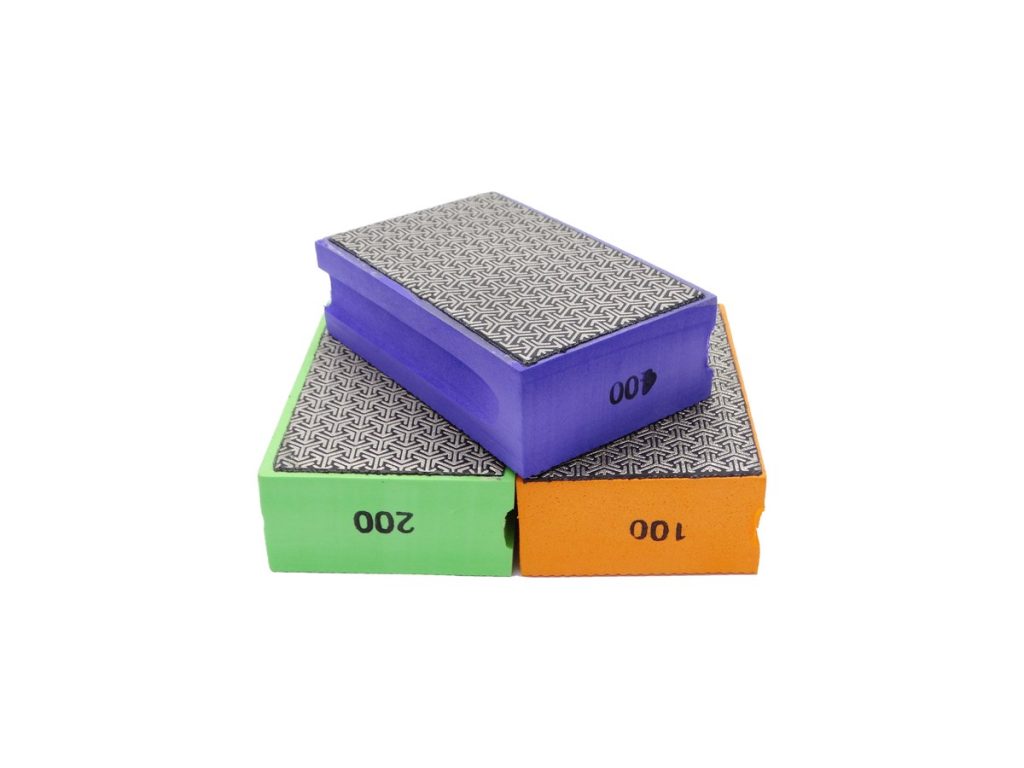
| Electroplated hand pad | MBD High-Strength Diamond Grit | 60# – 400# | Sharp and free-cutting, because a pad clogs long before it wears out |
| Electroplated file or bur | MBD High-Strength Diamond Grit | 100# – 230/270 | Narrow band keeps the profile crisp on lettering and recesses |
| Coated grit for bond strength | Titanium-Coated Diamond | 60/70 – 170/200 mesh | The coating gives the nickel something to key into, which extends life at the same grit |
Electroplated powders are bought on the upper cut, not on the D50. Every batch ships with the top cut on the certificate, and the demagnetisation step is what keeps the powder free-flowing in the plating bath.
What has to hold
- Profile drawing or the template number for the edge
- Tool diameter and how it mounts
- Stone type: granite, marble, engineered quartz or sintered
- Dry or wet, and the feed rate you run at
- Wheel count per profile and the grit sequence
Where it ships
Diamond Grades For This Process
Factory Direct Since 1990
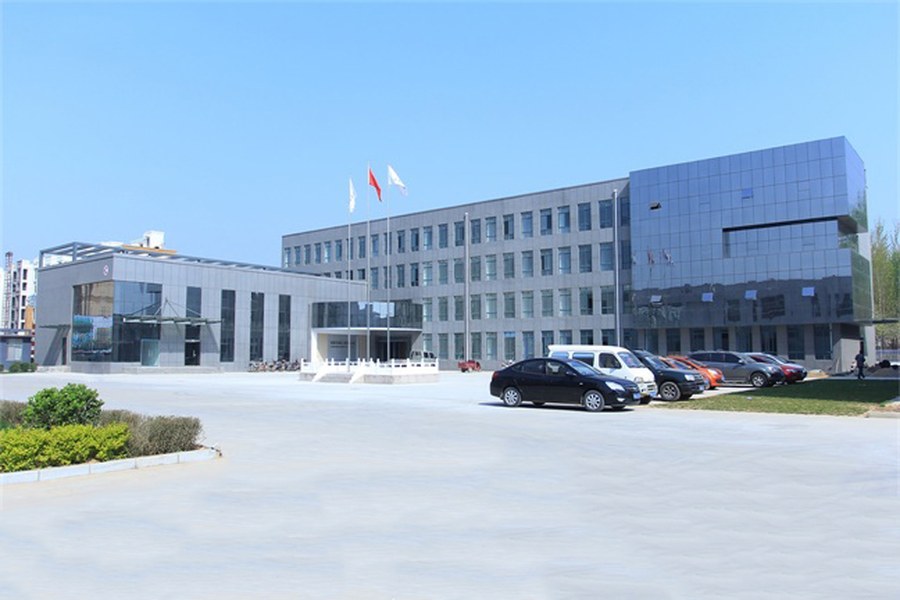
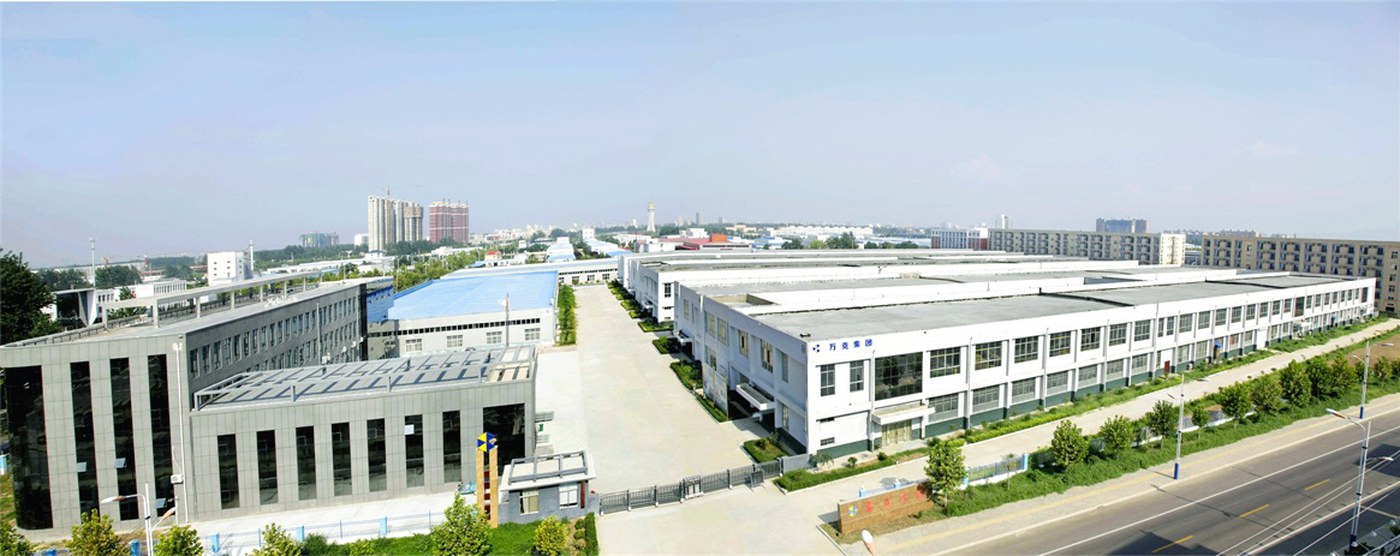
Zhecheng Hongxiang Superhard Material Co., Ltd. is an integrated manufacturer and exporter of synthetic diamond powders since 1990, located in the Diamond Capital of China.
- Own manufacturing base in Zhengzhou, Henan — powder, coating and grading on one site.
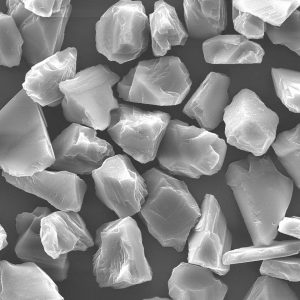
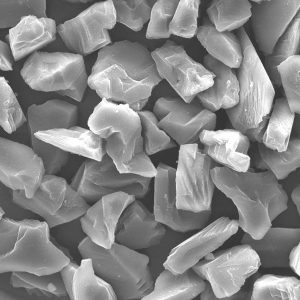
- In-house particle size and SEM inspection on every batch before packing.
- Export packing with neutral or custom label, plus sample quantities for process trials.
What To Include
Describe your workpiece, process and target result. We will match the diamond grade from the existing product range.